Coastal Decor · Styling Guide
How to Style Organic Linen Pillow Covers for a Relaxed Coastal Room
A few thoughtfully chosen pillows can make a room feel less like it was arranged for a photograph and more like a place where people actually want to settle in. Organic linen brings that easy, tactile character to a bed or sofa: breathable, softly rumpled, and beautiful without demanding perfection.
Published October 11, 2026
There is a particular kind of comfort that comes from a room that looks collected rather than carefully staged. A blanket has been folded, then used. A book rests on the side table. Pillows are arranged with intention but not so precisely that no one dares lean against them. Organic linen decorative pillow covers fit naturally into this picture. Their softly irregular surface gives a room a sense of ease, while their natural texture adds interest even when the color palette stays quiet.
In a coastal interior, that balance matters. The aim is not to turn every room into a seaside souvenir shop, nor to make a bed look like a crisp hotel display. Instead, think of the atmosphere: light, breathable layers; shades borrowed from sand, sky, and weathered wood; and materials that feel good in daily life. Linen pillow covers can help bring those qualities together, whether they sit at the head of a bed, on a reading chair, or across a well-used sofa.
The secret is not a complicated formula. Start with a palette you enjoy, vary scale and texture, and leave enough breathing room for the room’s other details to matter. Then let the linen do what linen does best: soften the edges.
Why linen feels at home in a coastal room
Linen has a naturally relaxed presence. Made from flax fibers, it tends to show subtle slubs and variations in the weave, giving the fabric visual depth without a bold print or shiny finish. Its texture catches light differently from smooth cotton or polished sateen, so even a simple neutral pillow can contribute something noticeable to a room.
That character makes organic linen pillow covers especially useful in coastal-inspired spaces. A room with white walls, pale floors, or light upholstery can feel fresh but a little flat when every surface is equally smooth. Linen adds a quiet counterpoint. It makes a clean bed feel more welcoming and gives a plain sofa a layer of warmth without adding visual clutter.
Organic linen can also appeal to people who want to make material choices with care. The specific meaning of an organic claim depends on its certification and supply chain, so check the product information rather than relying on a vague label alone. When a textile carries a recognized certification, that provides a clearer basis for understanding how it was produced. The most lasting choice, whatever its origin, is usually a cover you love enough to use and care for over time.
Linen’s lived-in look is part of its appeal, not a flaw to be pressed away. A few soft creases can make a pillow look inviting. If you prefer a neater finish, smooth the cover by hand after arranging it or use an iron according to its care label. The goal is comfort, not a contest against every wrinkle.
Build a coastal palette with more than blue and white
Blue and white are classic for a reason, but a coastal palette can be much wider than those two colors. Imagine the muted tones found in a quiet New England landscape: chalky white, pale dune grass, driftwood gray, faded denim, soft sea glass, and the deeper blue of water under a cloudy sky. Used together, these hues create a connection to the coast without relying on obvious nautical motifs.
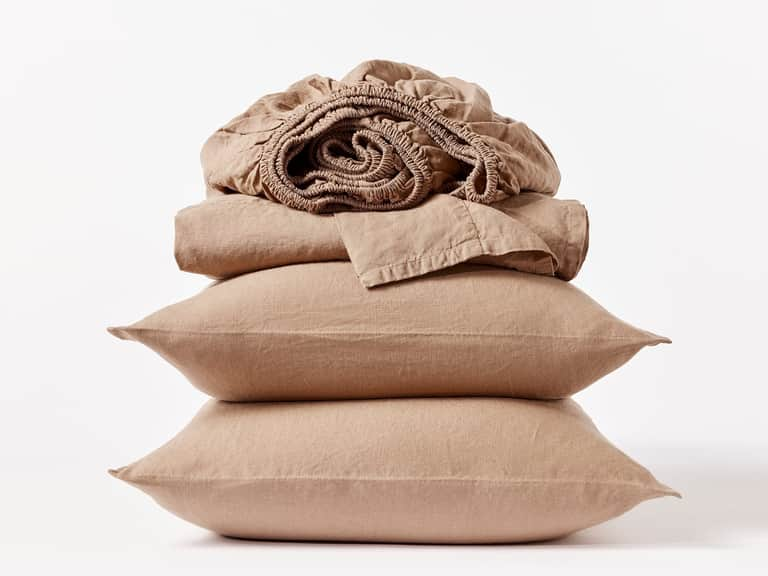
Begin with the largest surfaces in the room. On a bed, that may be white or warm-neutral sheets and a simple duvet. On a sofa, it might be a natural upholstery fabric or a solid slipcover. Choose pillow covers that relate to these existing colors rather than introducing a fresh palette for every layer. A sandy beige pillow can warm up cool whites; a muted blue can bring a little depth to pale linen; and a gentle green can echo the quiet color of coastal grasses.
Organic linen has a visual softness that can make stronger colors feel more approachable. A blue pillow in smooth, saturated fabric may become the room’s loudest note. In a washed linen, that same general color often reads as more mellow, especially when it is balanced with neutrals. If you are uncertain, test one cover before committing to several. Color shifts with daylight, lamplight, and neighboring fabrics, so a shade that seems cool in a store may look warmer at home.
For a simple starting point, keep most of the arrangement within one family of colors and introduce a smaller accent. For example, combine warm white, flax, and sand with one faded blue cover. The result feels pulled together, but not so matched that it loses personality. If the room already includes a patterned rug or artwork, draw one quiet color from that piece and repeat it in a pillow.
Layer texture, not just more pillows
A convincing arrangement is about contrast as much as quantity. Linen pairs naturally with crisp cotton, soft wool, a small-scale knit, or a matelassé coverlet because each material contributes a different surface. Put a smooth pillow beside a textured one; place a casually rumpled linen cover against a neatly made cotton sheet. The variation gives the eye somewhere to travel without making the room feel busy.
On a bed, let the bedding establish the foundation. Crisp cotton percale brings a cool, clean feel, while linen sheets add a more relaxed drape. A textured blanket or quilt can sit across the foot of the bed, with pillow covers acting as the bridge between that layer and the sheets. The combination need not match exactly. Repeating a color or a similar natural texture is often enough to make everything feel connected.
On seating, consider how the pillows will be used. A decorative arrangement can look handsome, but a sofa needs room for people to sit comfortably. Two well-scaled covers may be more effective than a crowd of small cushions. Pair one larger linen pillow with a smaller, contrasting texture, then step back. If you have to move the arrangement just to sit down, it may be doing too much.
Keep the variety purposeful. One floral print, a bold stripe, and several competing textures can make a calm room feel restless. If you want pattern, use it as a considered accent and let the linen covers provide a quieter frame. A narrow stripe, restrained botanical motif, or simple geometric design can work well when its colors repeat elsewhere in the room.
Choose pillow sizes and shapes with balance in mind
Different pillow sizes create dimension, but a mix should still suit the furniture. On a bed, larger pillows often form the back layer, with smaller decorative pillows in front. On a sofa, square cushions can be balanced with a lumbar shape that follows the line of the seat. These are useful starting points rather than strict rules; mattress size, sofa depth, and personal comfort all matter.
Try arranging the largest pillows first. They provide the visual anchor. Add a smaller cover in front only if it improves the balance or adds a useful contrast in color or texture. A long, narrow pillow can break up a row of squares, while a second square cover can make a compact arrangement feel more grounded. Avoid choosing every pillow in the same dimensions unless you specifically want a symmetrical, orderly look.
Pay attention to the relationship between the cover and its insert. An insert that is too small can leave corners limp and the cover looking undersized; an overly full insert may distort seams or strain the closure. Follow the cover maker’s sizing guidance, and consider how firm or relaxed you want the finished pillow to feel. A decorative cover should have enough shape to hold its place, but it also needs to remain comfortable to lean against.
Make natural texture feel intentional
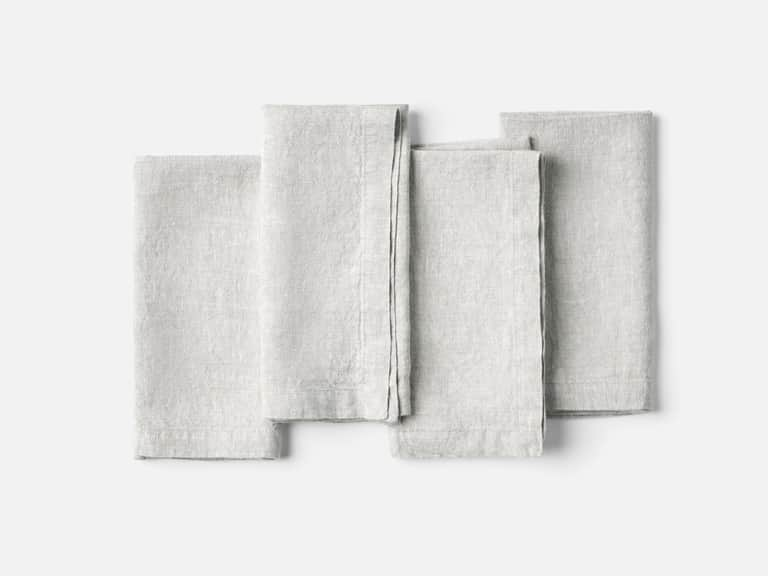
Because organic linen has visible texture, it can look especially effective when repeated in small, thoughtful ways. A linen pillow on a sofa might echo a linen table runner in an adjoining dining area, or relate to simple curtains nearby. The pieces do not have to match. Repeating a natural fiber or a subdued tone helps create continuity as the eye moves through an open-plan space.
Balance those textiles with materials that offer contrast. Wood, ceramic, woven baskets, and painted furniture can all complement the soft surface of linen. A smooth tabletop beside a rumpled pillow cover makes each material more noticeable. Keep decorative objects edited, however. The room should still feel airy, with enough open space for the textures to be appreciated.
Coastal style does not require shells, anchors, or anything that announces its theme at first glance. It can be conveyed through light, proportion, and materials. A pale room with comfortable linen, a well-worn wood accent, and a view of sky can suggest the coast more convincingly than a collection of literal symbols. The most successful version is often personal: a room that feels connected to a place you love, while still working for everyday routines.
Care for linen pillow covers without overcomplicating it
Good linen care begins with the care label. Fiber content, finishes, color, and construction can all affect the recommended washing method. Some covers are designed for machine washing; others may have details or closures that call for extra care. Follow the instructions supplied with the cover rather than assuming every linen item should be treated in precisely the same way.
For covers that are machine washable, a gentle cycle and a mild detergent are often a sensible approach, but the label takes priority. Wash similar colors together, avoid crowding the machine, and close zippers before washing to reduce the chance of snags. If a cover has embroidery, delicate edging, or a decorative finish, consider turning it inside out or placing it in a laundry bag when the care instructions allow.
Drying deserves equal attention. High heat can encourage shrinkage or put unnecessary stress on fibers, so use low heat only when permitted by the care label and remove the cover promptly. Air-drying can be a useful option when recommended, especially if you want to preserve a relaxed hand and avoid over-drying. Let covers dry fully before returning them to an insert or storing them; lingering dampness can lead to an unpleasant musty smell.
When a spill happens, act promptly but gently. Blot liquid with a clean, absorbent cloth instead of rubbing it deeper into the fabric. Check the label before applying stain remover, and test any cleaning product on an inconspicuous area if the instructions permit. Avoid improvising with harsh chemicals or vigorous scrubbing, which can alter color and texture. For stubborn stains or special finishes, professional advice may be the safer route.
Between washes, a little upkeep can keep covers looking fresh. Shake out dust, rotate pillows if one side receives more sunlight, and give the arrangement a quick refresh when making the bed or tidying the sofa. If you store extra covers seasonally, make sure they are clean and completely dry, then keep them in a cool, dry place away from direct light.
A relaxed room is allowed to look lived in
The best coastal room is not necessarily the one with the most carefully coordinated accessories. It is the one that feels restful when the day winds down. Organic linen pillow covers support that mood because they bring softness and texture without asking for attention. They can make a crisp bed feel less formal, give a plain sofa a little character, and connect different parts of a room through color and material.
Start with one or two covers in colors that already belong in your space. Add contrast through a different weave, a cotton layer, or a softly patterned accent. Choose sizes that suit the furniture, and keep enough room for people to use the bed or seating comfortably. Most of all, let the fabric’s natural variations remain visible. A slight crease, a softened edge, and a palette that feels gently weathered are part of the charm.
With thoughtful styling and straightforward care, linen pillows can work across seasons rather than being reserved for summer. They bring a breathable, relaxed character to a coastal interior in any weather, making a room feel less like a set and more like home.